Product Bundling on Shopify: Strategy, Setup, and Examples
Product bundles increase average order value by 20–35% on Shopify stores. The best-performing bundle type is the "Complete Solution" — grouping complementary products that solve one problem together (like a skincare routine or starter kit). Price bundles at 10–15% less than buying items individually. This gives customers a clear reason to buy the bundle while maintaining healthy margins. The math: a 30% AOV increase at a 15% discount still nets you 10–18% more revenue per order.
See Where Your Orders Come From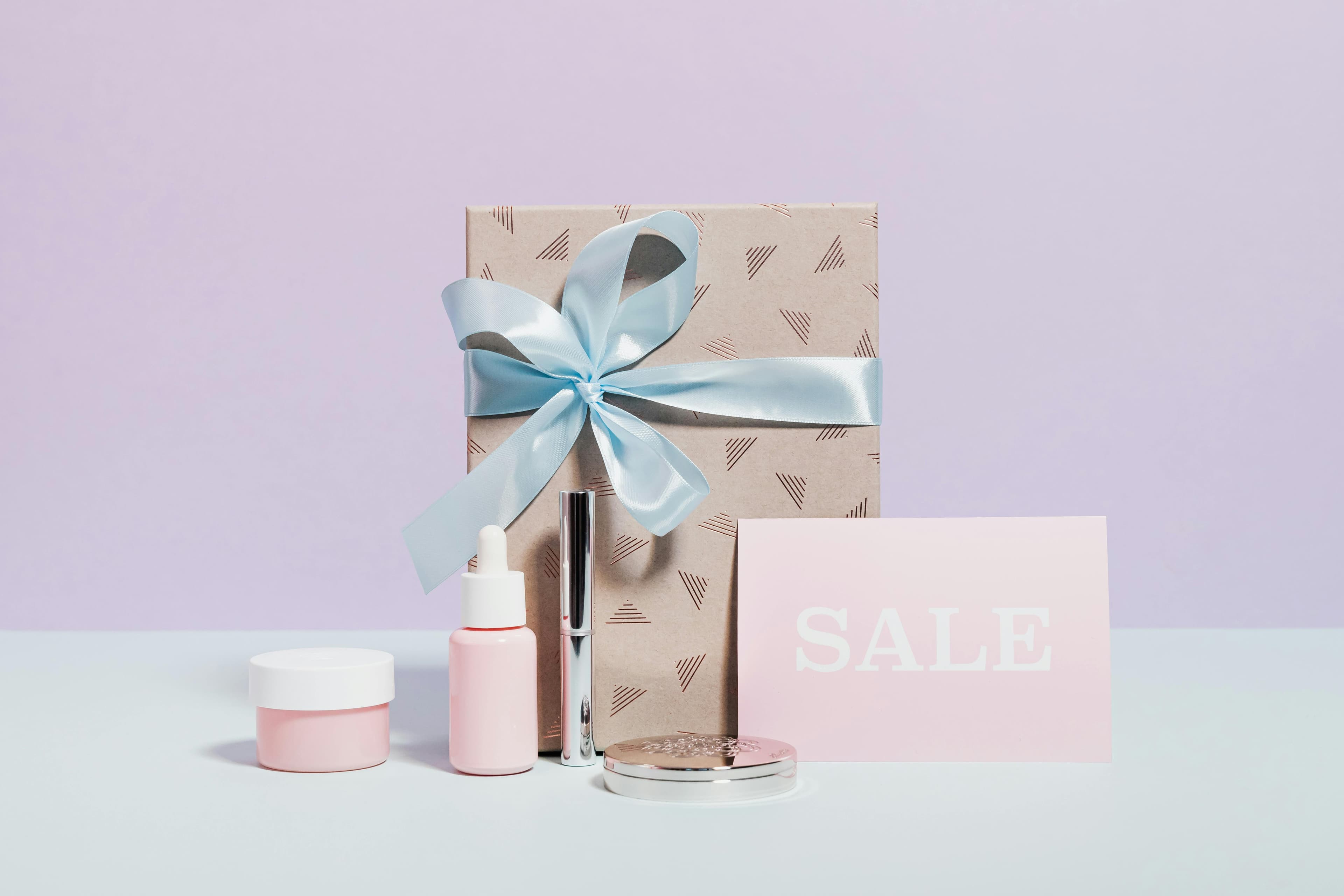
Five Bundle Types That Work
1. Pure Bundle (Products Only Available as a Set)
Products that are only sold together, never individually.
Example: A "Coffee Starter Kit" with a French press, 2 bags of beans, a grinder, and a mug. Only available as a set.
When it works: When the individual items have low perceived value alone but high perceived value together. A $12 French press feels cheap. A $79 "Complete Coffee Experience" feels premium.
Margin impact: Highest margins because you control the perceived value entirely. Customers can't calculate the individual item cost.
2. Mixed Bundle (Available Individually + As a Set)
Products sold both individually and as a discounted bundle.
Example: Cleanser ($24) + Toner ($22) + Moisturizer ($28) individually = $74 total. Bundle: $62 (16% off).
When it works: Most common and most flexible. Customers who want one item buy individually. Customers who want multiple items see the bundle as better value.
Margin impact: Good margins. The discount is real but offset by the higher order value and lower per-order fulfillment cost.
3. Buy More Save More (Volume Discounts)
Same product, quantity-based pricing.
Example:
- •1 jar: $25
- •2 jars: $45 (10% off)
- •3 jars: $60 (20% off)
When it works: Consumables, products customers buy regularly, and gifts. Supplements, skincare, candles, coffee, and food products.
Margin impact: Lower per-unit margin but higher total margin per order. 3 jars at $60 (per-unit margin $12) is better than 1 jar at $25 (margin $15). Total profit: $36 vs $15.
4. Cross-Sell Bundle (Complementary Products)
Products from different categories that go together.
Example: Yoga mat + yoga block + resistance band + carry strap = "Complete Yoga Kit."
When it works: When products naturally complement each other. The customer needs all of them, and buying together is easier than shopping individually.
Margin impact: Very strong. Cross-category bundles have the highest margin potential because customers compare against buying each item separately.
5. Gift Bundle (Curated for Gifting)
Pre-wrapped or themed bundles positioned for gift-giving.
Example: "Self-Care Gift Box" with a candle, bath bomb, face mask, and tea. Packaged in a gift box.
When it works: Holiday season, Mother's Day, Valentine's Day, birthdays. Year-round if your products are giftable.
Margin impact: Charge a premium for the gift presentation. A $35 product combo in a $5 gift box can sell for $55–$65 because the curation and presentation add perceived value.
How to Price Bundles
The 10–15% rule. Discount the bundle 10–15% versus buying individually. This is enough to make the bundle feel like a deal without destroying margins.
| Pricing Approach | Individual Total | Bundle Price | Discount | Best For |
|---|---|---|---|---|
| Light discount | $80 | $72 | 10% | High-margin products |
| Standard discount | $80 | $68 | 15% | Most stores |
| Aggressive discount | $80 | $60 | 25% | Clearing slow inventory |
Show the savings. Always display the individual total crossed out next to the bundle price. "$80 value for $68" is more compelling than "$68 for this bundle."
Don't discount too much. A 30%+ discount signals desperation. It also trains customers to wait for deals. 10–15% feels like a smart choice, not a fire sale.
Setting Up Bundles on Shopify
Method 1: Single Product with Variants (Simplest)
Create one product listing called "Skincare Bundle." Include all items in the description and photos. Set one price. Track as one SKU in inventory.
Pros: Simple setup, clean product page.
Cons: Individual items don't reduce their own inventory when the bundle sells. Requires manual inventory management.
Method 2: Bundle Apps (Recommended)
Apps like Shopify Bundles (free, built by Shopify), Bundler, or Bold Bundles create bundles that automatically adjust individual product inventory.
Shopify Bundles (free): Creates fixed bundles and multipacks. When a bundle sells, inventory for each component decreases automatically. Limited to fixed bundles — no mix-and-match.
Bundler ($6.99+/month): Fixed bundles, mix-and-match bundles, volume discounts, and quantity breaks. Automatic inventory sync.
Bold Bundles ($19.99/month): Build-your-own bundles (customer picks items), automatic discounting, and advanced bundle types.
Method 3: Shopify Automatic Discounts
Create a discount that applies automatically when certain product combinations are in the cart. No app needed.
Setup: Shopify admin > Discounts > Create discount > Automatic discount. Set conditions: "When cart contains Product A AND Product B, apply 15% off order."
Pros: No app, no monthly cost. Works with existing product pages.
Cons: Less visible to customers. They don't see the bundle option until they add both items. Not ideal for discovery.
Bundle Page Optimization
The bundle product page needs specific elements:
What's included. List every item in the bundle with individual images. Customers want to know exactly what they're getting.
Individual prices shown. Display each item's regular price and the bundle savings. "$24 + $22 + $28 = $74 individually. Get all three for $62."
Bundle-specific photos. Shoot the bundle as a group — all items together. Also show each item individually within the gallery. The group photo is the hero image.
Use case description. Don't just list items. Explain the routine, the experience, or the occasion. "Your complete morning skincare routine: cleanse, tone, moisturize. 3 steps, 5 minutes, healthy skin."
Social proof. Bundle-specific reviews carry more weight than individual product reviews. Ask early bundle buyers to review the complete experience.
Measuring Bundle Performance
Track these metrics monthly:
Bundle attachment rate. What percentage of orders include a bundle? If you're at 10%, there's room to promote more aggressively. Top stores achieve 25–35%.
AOV impact. Compare AOV for orders with bundles vs without. The lift should be 20–35%. If it's less than 15%, your bundle pricing or positioning needs work.
Individual product cannibalization. Are bundles reducing individual product sales? Some cannibalization is expected and fine — the higher AOV compensates. But if individual sales drop 50% while bundle sales only partially offset, adjust.
Margin per order. Ensure the discounted bundle still maintains healthy contribution margins. A bundle at 15% off with double the items should still generate more absolute profit than a single-item order at full price.
Common Bundling Mistakes
- •Bundling unrelated products. A t-shirt bundled with a phone case doesn't make sense. Bundle products that logically go together in the customer's mind.
- •Too many items in the bundle. Bundles with 6+ items feel overwhelming and the total price gets high. 2–4 items is the sweet spot for most categories.
- •Not promoting the bundle. A bundle buried in your product catalog won't sell. Feature it on the homepage, in collections, and in email campaigns. Bundles need visibility to work.
- •Discounting too heavily. A 30% discount on a bundle with thin margins destroys profitability. Start at 10%, test 15%, and only go higher for clearance.
- •Ignoring inventory sync. If your bundle sells but individual component inventory doesn't decrease, you'll oversell items. Use an app that syncs bundle sales with component inventory.
Bundles increase order value. BlackBox shows you where those high-value orders originate — tracking the full customer journey so you can see which marketing channels drive customers who buy bundles vs single items.
Track Your Real Customer JourneysWhat Shopify merchants are saying
Reviews from the Shopify App Store
“Great app, easy to install, and way more affordable than the big-name attribution tools. Helps me make smarter decisions about my ad spend. Support has been responsive too. Worth every penny.”
LooksPretty
“This is a good app. I simply tried the app, and I would say it exceeded my expectations. The setup has been very easy and I got some pretty good insights. Support has been very responsive.”
Hustle Wear
“I was skeptical at $19/mo but this thing actually nails attribution better than tools I've paid way more for.”
Sydney Padel Club
Frequently Asked Questions
How much should I discount a product bundle on Shopify?
10–15% off the combined individual price is standard. This provides enough perceived savings to make the bundle attractive without significantly hurting margins. For clearance bundles moving slow inventory, 20–25% is acceptable. Avoid discounting more than 25%.
What’s the best Shopify bundle app?
Shopify Bundles (free) handles fixed bundles and multipacks with automatic inventory sync. For more advanced options like mix-and-match or build-your-own bundles, Bundler ($6.99+/month) or Bold Bundles ($19.99/month) are the top choices.
Do product bundles really increase AOV?
Yes. Stores implementing bundles consistently report 20–35% higher AOV. The key is creating bundles of complementary products (not random groupings) and pricing them 10–15% below the individual total.
How do I track bundle inventory on Shopify?
Use a bundle app like Shopify Bundles, Bundler, or Bold Bundles — these automatically decrease component inventory when a bundle sells. Without an app, you’ll need to manually adjust inventory for each component, which is error-prone at scale.
Should I create bundles for gift-giving occasions?
Absolutely. Gift bundles with curated presentation (gift box, tissue, card) command a 30–50% premium over the individual items. Create holiday-specific bundles (Christmas, Valentine’s, Mother’s Day) 3–4 weeks before each occasion and promote via email.