Shopify Shipping Zones Explained: Setup and Optimization
Shopify shipping zones are geographic regions where you group countries, states, or provinces and assign specific shipping rates. By default, Shopify creates a "Domestic" zone (your country) and a "Rest of World" zone. You can create custom zones to offer different rates by region — charging $5 for nearby states, $8 for cross-country, and $15 for international. Properly configured zones reduce shipping costs, improve delivery times, and prevent margin erosion on distant orders.
See Where Your Orders Come From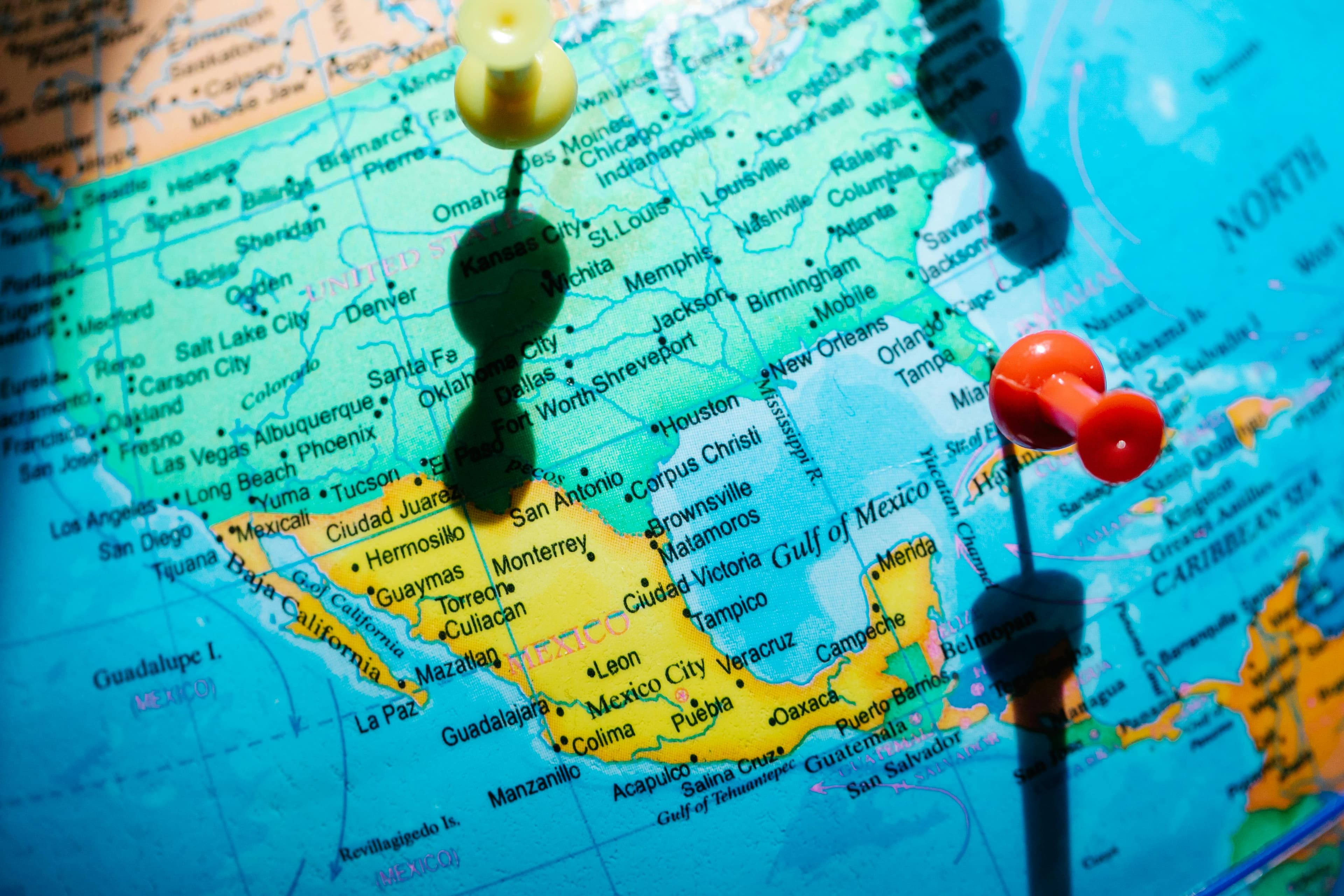
How Shipping Zones Work
Shipping zones in Shopify follow a simple hierarchy that determines what rate a customer sees at checkout. Understanding this hierarchy is critical for setting up zones that work correctly.
- 1.Shipping profile — The top-level container. Your "General" profile applies to all products unless overridden by a custom profile.
- 2.Shipping zone — A geographic region within a profile. Each zone contains one or more countries, states, or provinces.
- 3.Shipping rate — The price or calculation method assigned to a zone. Can be a flat rate, weight-based rate, price-based rate, or carrier-calculated rate.
- 4.Rate conditions — Optional rules within a rate, such as "free shipping on orders over $75" or "$5 for orders under 2 lbs."
When a customer enters their shipping address at checkout, Shopify matches their location to a zone, then displays all available rates within that zone. If their location isn't in any zone, no shipping options appear and the order cannot be completed.
Default Zones vs Custom Zones
Default Setup
Every new Shopify store starts with two zones: Domestic (your store's country) and Rest of World (every other country). These defaults work for getting started, but they create problems as you grow. A flat $10 domestic rate means you're overcharging customers 50 miles away and undercharging customers 3,000 miles away. The "Rest of World" zone treats Canada and Australia the same, even though shipping costs differ dramatically.
Recommended Custom Zone Setup
Replace the defaults with custom zones that match your actual shipping costs. Here's a recommended structure for US-based stores:
| Zone Name | Regions Included | Example Rate |
|---|---|---|
| Local / Same State | Your home state | $4.99 or Free |
| Regional (Nearby States) | 2-4 bordering states | $5.99 |
| Domestic Standard | Rest of continental US | $7.99 |
| Alaska / Hawaii | AK, HI, US territories | $12.99 |
| Canada | All Canadian provinces | $14.99 |
| International | UK, EU, Australia, etc. | $19.99+ |
This structure ensures you're not losing money on distant shipments while keeping rates competitive for nearby customers.
Step-by-Step Zone Setup
Follow these steps to create custom shipping zones in your Shopify admin:
- 1Go to Settings > Shipping and delivery in your Shopify admin. Click on the shipping profile you want to edit (usually "General shipping rates").
- 2Delete or edit the default "Domestic" zone. Click the zone name, then remove all states/provinces you want to reassign to custom zones.
- 3Click "Create shipping zone" and name it descriptively (e.g., "Regional — Northeast US"). Select the specific states or countries for this zone.
- 4Add shipping rates to the zone. Click "Add rate" and choose flat rate, weight-based, price-based, or carrier-calculated. Set conditions if needed (e.g., free shipping over $75).
- 5Repeat steps 3-4 for each zone you need. Ensure every state/country you ship to is covered by exactly one zone — Shopify won't let a region exist in two zones within the same profile.
- 6Decide what to do with "Rest of World". Either set a catch-all international rate or delete the zone entirely to block orders from unlisted countries.
- 7Test your zones. Place test orders from different addresses to verify the correct rates appear at checkout. Use Shopify's "Bogus Gateway" for testing without processing real payments.
Zone Optimization Strategies
Match Zones to Fulfillment Locations
If you ship from multiple warehouses or fulfillment centers, align your zones with their geographic coverage. A fulfillment center in Texas should handle South/Central US zones, while one in New Jersey covers the East Coast. Shopify's shipping profiles automatically route orders to the nearest location, but your zones should reflect the cost differences between these routes.
Zone-Specific Free Shipping
Instead of offering free shipping everywhere (which kills margins on distant orders), offer free shipping only in zones where it's profitable. For example, free shipping for your home state on all orders, free shipping for regional zones on orders over $50, and a flat rate for everything else. This gives nearby customers a great experience without subsidizing cross-country shipping.
Exclude Unprofitable Zones
Not every zone needs to exist. If shipping to Hawaii costs $25 but your average order is $30, you're either eating the cost or pricing customers out. It's better to not offer shipping to unprofitable zones than to lose money on every order. Review your order data — if a zone generates fewer than 1-2 orders per month with thin margins, consider removing it.
Time-Based Zone Promotions
Run temporary promotions on specific zones to test demand. Offer free shipping to Canada for a week and measure conversion rate changes. If Canadian orders spike enough to offset the shipping cost, make it permanent. This is a low-risk way to expand into new markets without committing to a zone-wide rate change permanently.
Shipping Profiles for Different Products
Shopify lets you create multiple shipping profiles, each with its own set of zones and rates. This is essential when your products have different shipping characteristics.
Use case: Lightweight vs heavy products. A jewelry store that also sells candles shouldn't use the same shipping rates for both. Create a "Lightweight Items" profile with lower rates for jewelry and a "Standard Items" profile with higher rates for candles. Assign each product to the correct profile.
Use case: Digital + physical products. If you sell both digital downloads and physical goods, digital products should be in a profile with free "shipping" across all zones, while physical products use your normal rate structure.
Use case: Oversized or fragile items. Products that require special packaging, freight shipping, or extra insurance should have their own profile with rates that reflect the true cost. This prevents oversized items from using the standard flat-rate zone pricing and losing you money.
Common Shipping Zone Mistakes
- •Using only the default Domestic and Rest of World zones. These are too broad and cause you to overcharge nearby customers and undercharge distant ones.
- •Forgetting to include a state or country in any zone, which blocks customers from checking out entirely. Audit your zones quarterly.
- •Setting identical rates across all zones, which defeats the purpose of having zones in the first place.
- •Not testing checkout from different addresses after changing zone settings. Always verify rates appear correctly before going live.
- •Offering free shipping to all international zones without calculating the actual cost. International shipping can be 3-5x domestic rates.
- •Creating too many granular zones (e.g., one per state) that become impossible to maintain and update when carrier rates change.
Zone optimization starts with knowing where your customers come from. BlackBox tracks the complete customer journey — showing which regions and marketing channels drive orders, so you can match your shipping strategy to your actual buyer geography.
Track Your Real Customer JourneysWhat Shopify merchants are saying
Reviews from the Shopify App Store
“Great app, easy to install, and way more affordable than the big-name attribution tools. Helps me make smarter decisions about my ad spend. Support has been responsive too. Worth every penny.”
LooksPretty
“This is a good app. I simply tried the app, and I would say it exceeded my expectations. The setup has been very easy and I got some pretty good insights. Support has been very responsive.”
Hustle Wear
“I was skeptical at $19/mo but this thing actually nails attribution better than tools I've paid way more for.”
Sydney Padel Club
Frequently Asked Questions
What are Shopify shipping zones?
Shopify shipping zones are geographic regions you define in your store's shipping settings. Each zone groups countries, states, or provinces together so you can assign specific shipping rates to that region. For example, you might create a zone for 'Northeast US' with a $5 flat rate and a separate zone for 'West Coast' with an $8 rate. Zones let you charge different prices based on where the customer lives.
How many shipping zones can I create in Shopify?
Shopify doesn't impose a hard limit on the number of shipping zones you can create. You can create as many zones as your shipping strategy requires. However, most stores find that 4-8 zones provide the right balance of rate accuracy and manageability. Creating too many zones can make your shipping settings difficult to maintain.
Can I set different shipping rates for different states?
Yes. When creating a shipping zone in Shopify, you can select individual states or provinces within a country. This means you can charge $5 for nearby states, $8 for mid-range states, and $12 for distant states. You'll create a separate zone for each rate group and add the relevant states to each zone.
Should I include international shipping zones?
It depends on your product and customer base. If you sell lightweight, high-margin products, international shipping can be profitable. Start with 1-2 international zones (like Canada or UK/EU) where English-speaking customers are likely to order. Avoid enabling global shipping immediately — the customs complexity and return logistics can eat into margins for unprepared stores.
What happens if a customer's country isn't in any shipping zone?
If a customer's country or region isn't included in any of your shipping zones, Shopify will not show any shipping options at checkout. The customer will see a message saying shipping is not available for their address and won't be able to complete the purchase. This is why Shopify creates a 'Rest of World' zone by default — to catch any country not covered by your custom zones.